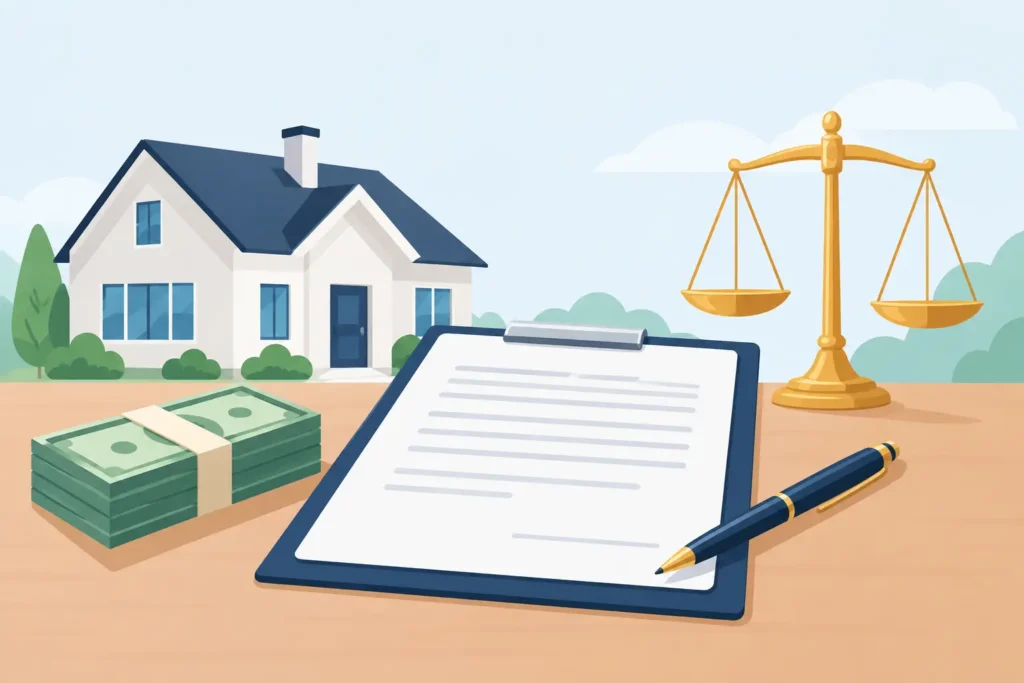
A cash offer can feel like the finish line when you need to sell quickly. You may be dealing with an inherited home, costly repairs, a pending foreclosure, difficult tenants, or a move you cannot delay. Before you sign anything, though, one question deserves a clear answer: are cash offers legally binding?
Sometimes, yes. But not every number presented to you is a binding contract. The difference comes down to the paperwork, the language in it, and the point in the process where you are asked to agree.
Knowing that difference helps you protect your options, avoid surprises, and move forward with confidence.
Are Cash Offers Legally Binding? It Depends on the Document
A cash offer is not automatically legally binding simply because a buyer says, “I can pay cash,” sends you an email with a price, or gives you a written estimate of what they may pay for the property.
Many legitimate home-buying companies begin with a written, no-obligation cash offer. This document usually gives you a proposed purchase price and explains the basic terms the buyer is willing to consider. It may be based on the information available at that time, including the home’s location, condition, comparable sales, and estimated repair costs.
That initial offer often is an invitation to move ahead, not a final purchase contract. Read the language carefully. If it says the offer is non-binding, subject to inspection, subject to title review, or contingent on a later purchase agreement, you generally have not committed to selling yet.
A cash offer becomes much more likely to be binding when both the seller and buyer sign a purchase agreement containing the key terms of the sale. In real estate, state laws usually require an agreement for the sale of a home to be in writing. A spoken promise, text message, or handshake may create confusion, but it usually does not carry the same weight as a signed real estate contract.
What Makes a Cash Offer a Real Contract?
A signed purchase agreement should clearly identify the parties, the property, the purchase price, and the terms for closing. It should also state what happens with deposits, title issues, property access, closing costs, and any conditions that must be met before the transaction closes.
The exact requirements vary by state, which is why you should never assume that every cash offer works the same way. Still, a valid contract commonly includes these basic elements:
- A clear offer and acceptance by both parties
- The legal description or clear identification of the property
- An agreed purchase price and payment terms
- Signatures from the required parties
- A closing date or a way to determine it
- Any contingencies, deadlines, cancellation rights, or inspection terms
Once you sign an enforceable purchase agreement, you may not be able to simply accept a higher offer from another buyer or decide not to sell without consequences. The contract may explain whether the buyer can seek damages, retain earnest money, require mediation, or pursue other remedies if a party fails to perform.
That does not mean every signed agreement is absolute. A contract may include lawful cancellation periods, contingencies, or provisions that allow either side to end the deal under specific circumstances. The written agreement controls.
Cash Does Not Mean Unconditional
Cash offers remove one major source of uncertainty: lender financing. A buyer paying cash does not need a mortgage approval, appraisal requirement from a lender, or loan underwriting timeline.
However, cash buyers can still include conditions in their contracts. They may want to verify the home’s condition, review the title, confirm ownership, inspect for liens, or obtain access to the property before closing. These are not necessarily red flags. Title and ownership checks protect everyone involved in the transaction.
The key is transparency. If a buyer presents a cash offer as guaranteed but later tries to reduce the price because of issues they could have reasonably considered upfront, ask for a clear explanation and review your agreement. A reliable buyer should explain what is firm, what remains subject to review, and when the price can change.
The Difference Between an Offer Letter and a Purchase Agreement
For homeowners under pressure, paperwork can blur together. It helps to think of the process in two stages.
First comes the offer stage. You provide details about the home, the buyer evaluates the property, and you receive a proposed price. At this point, you should be able to ask questions, compare your options, and decide whether the offer works for your situation. A no-obligation offer should not force you to move forward.
Then comes the contract stage. If you choose to proceed, the buyer prepares a purchase agreement. This is the document that deserves your full attention because it sets the legal terms of the sale.
Do not rely only on the purchase price. A higher number can be less valuable if it comes with repair demands, seller-paid fees, a long closing timeline, unclear contingencies, or a buyer who can walk away easily. A fair cash transaction is about the full agreement: price, certainty, timing, costs, and your ability to sell the property as-is.
What to Review Before You Sign
You do not need to be a real estate expert to ask the right questions. Take enough time to understand exactly what you are signing. If a deadline feels rushed or the paperwork is unclear, pause and request an explanation.
Start with the price and closing date. Confirm the amount you will receive at closing and whether the date works for your move, estate timeline, mortgage deadline, or other needs. If the buyer says they can close in seven days, make sure the agreement reflects that timeframe rather than leaving it open-ended.
Next, review who pays the closing costs. Some direct buyers cover standard seller closing costs, while other agreements may shift certain charges back to the homeowner. Also ask about liens, unpaid property taxes, mortgage balances, probate requirements, or title problems. These issues do not always prevent a sale, but they can affect the amount you receive.
Look closely at contingencies and cancellation terms. Does the buyer have a due diligence period? Can they renegotiate after an inspection? Can you cancel, and under what conditions? Is there an earnest money deposit, where is it held, and what happens to it if the transaction does not close?
Finally, confirm that every promise you are relying on appears in writing. If someone tells you there are no repairs, no commissions, no fees, or no need to clean out the property, those terms should be clear in the agreement or written disclosures. Verbal assurances are difficult to enforce later.
When to Get Legal Help
A home sale is a major financial and legal decision. For a straightforward transaction, the contract may be easy to understand after the buyer walks you through it. In more complicated situations, a real estate attorney can be especially helpful.
Consider speaking with an attorney if the home is part of an estate, multiple heirs own the property, you are divorcing, you have received foreclosure notices, the property has liens, or you do not understand a contract provision. An attorney can explain your rights under your state’s laws and identify terms that may create unnecessary risk.
You can also ask the title company or closing agent to explain the closing process and the documents you will sign. They cannot provide legal advice, but they can help clarify practical details about title, settlement statements, and funds transfer.
A Clear Offer Lets You Stay in Control
The best cash offer process should reduce pressure, not add to it. You should know the proposed price, understand whether the first offer is binding, see the terms before committing, and have the freedom to decide whether the sale is right for you.
At You Win Estates, the goal is to give homeowners a straightforward as-is option with a written offer, a flexible closing date, and no agent commissions. A written offer can be the beginning of a solution, but the purchase agreement is the moment to slow down, read carefully, and make sure the path forward matches what you were promised.
When the paperwork is clear and the terms fit your needs, you can sell your home, close on your schedule, and move on with confidence.