Bankruptcy can affect many areas of your financial life, including your ability to sell your home. If you're considering selling a property while going through bankruptcy, it's worth understanding how the process may affect the sale and what approvals could be required — any sale during bankruptcy has to comply with applicable bankruptcy law and court requirements.
The two most common types of personal bankruptcy are Chapter 7 and Chapter 13. Chapter 7 generally involves liquidating certain non-exempt assets — depending on your home's equity and applicable exemptions, the bankruptcy trustee may have an interest in the property, and selling it may require coordinating with the trustee and getting court approval.
Chapter 13, on the other hand, generally lets you reorganize your debts through a repayment plan that typically lasts three to five years. Selling a home during that repayment period may also require trustee and court approval, and how any sale proceeds are handled will depend on the specifics of your case.
In many situations, selling a property during bankruptcy is possible, but it usually involves extra legal steps — obtaining court or trustee approval, addressing any existing mortgages or liens, and determining how proceeds will be handled. Because every bankruptcy case is different, it's worth talking with your bankruptcy attorney or trustee before agreeing to sell.
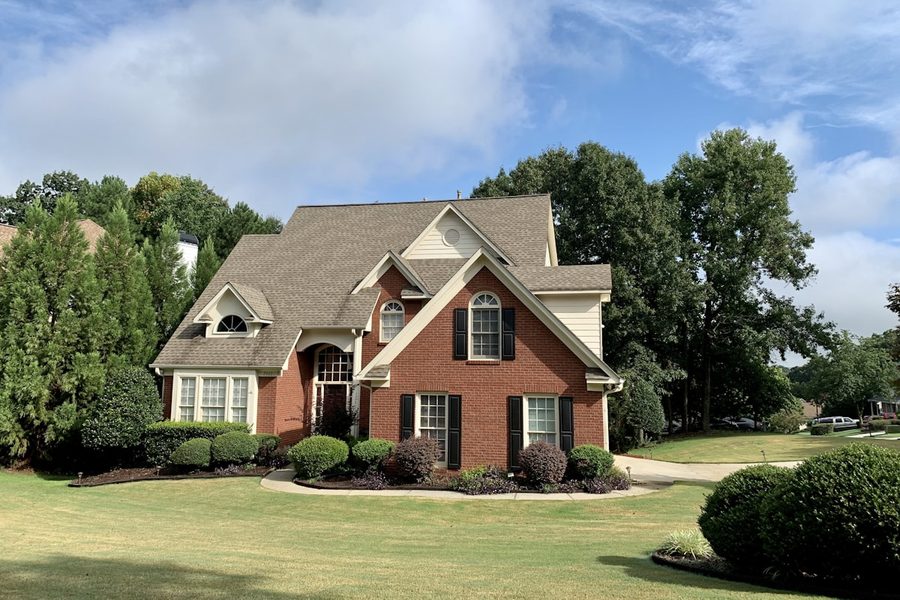
A traditional home sale can involve repairs, inspections, financing contingencies, showings, and negotiations. For homeowners who have authorization to sell and want a more straightforward option, a direct cash sale is often worth considering — we purchase properties as-is, so you don't have to make major repairs or renovations before selling.
Predictable, fast closing
A known closing date and offer amount is easier to plan around than a traditional listing.
We work with your attorney
We're glad to coordinate directly with your bankruptcy attorney or trustee as needed.
No listing, no showings
Keep the process private and straightforward.