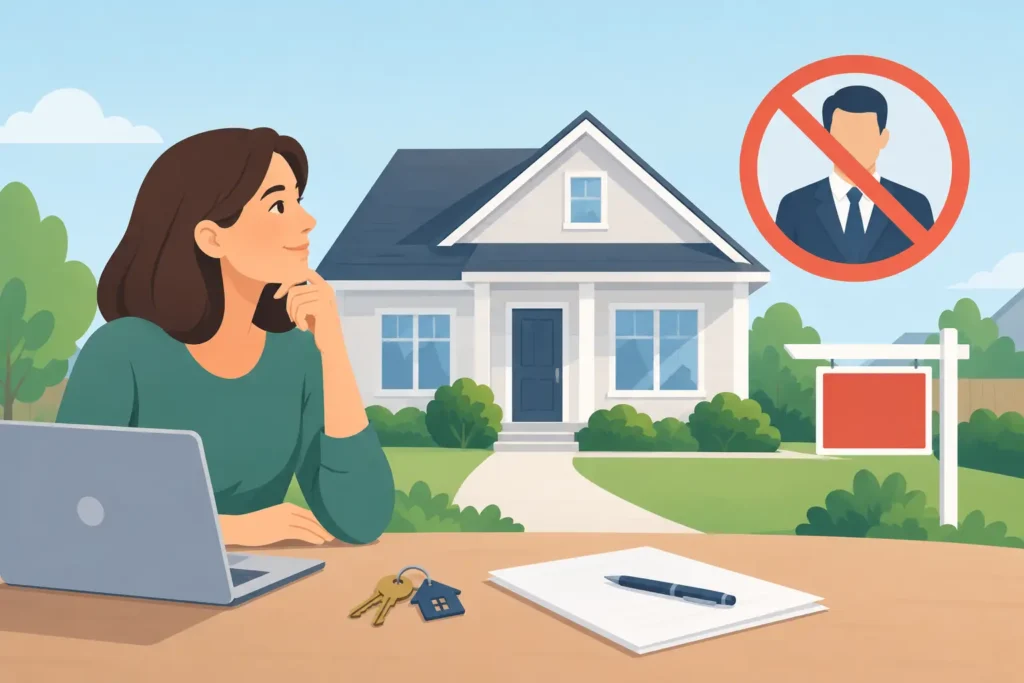
A vacant inherited home, a rental with damage, or a house that needs more work than you can take on can make a traditional listing feel like one more problem to solve. So, can you sell a house without a realtor? Yes. In the U.S., homeowners can sell directly, but the best route depends on whether you have time to market the property, manage the paperwork, and wait for a financed buyer.
For some sellers, selling without an agent means listing the house themselves. For others, it means accepting a direct cash offer and skipping repairs, showings, and buyer financing altogether. Both paths can avoid agent commissions, but they ask very different things of you.
Can You Sell a House Without a Realtor? Yes, With Two Main Paths
The first option is a for-sale-by-owner sale, often called FSBO. You set a price, prepare the home, advertise it, schedule showings, review offers, negotiate terms, and work through the contract and closing process. A FSBO sale may make sense for a move-in-ready home in a desirable area when you have the time and confidence to manage the details.
The second option is selling directly to a cash home buyer or real estate investor. Instead of putting the property on the market, you provide information about the home, receive an offer, and decide whether the terms work for you. A legitimate buyer should put the offer in writing, explain the process clearly, and allow you to choose whether to move forward.
Neither option is automatically better. The right choice comes down to your priorities: the amount you hope to receive, the condition of the home, how quickly you need to close, and how much uncertainty you are willing to carry.
Selling It Yourself: More Control, More Responsibility
A FSBO sale can give you control over pricing, showings, negotiations, and timing. If you know your local market and your property needs little work, that control can be valuable. You may also avoid the listing agent’s commission.
But selling without an agent does not mean selling without costs or work. You may still need to pay for photography, marketing, cleaning, repairs, title services, and possibly a buyer’s agent commission if the buyer has representation. You also need to price the house accurately. A price that is too high can leave the property sitting for months. A price that is too low can cost you more than the commission you hoped to save.
Then there is the day-to-day burden. You will field calls from strangers, coordinate access, answer questions about the property, and decide which buyers are serious. If the house is occupied by tenants, needs major repairs, or is located far from where you live, those tasks can quickly become difficult.
The Paperwork Matters
Real estate contracts are binding documents. Requirements vary by state, but sellers commonly need to handle purchase agreements, required property disclosures, title work, inspection negotiations, addenda, and closing documents. Federal, state, and local disclosure rules may apply even when you sell without a realtor.
A real estate attorney or title company can help with documents and closing procedures. That support is often worth considering, especially if the property is inherited, has liens, is part of a divorce, has multiple owners, or involves an estate. Selling directly does not remove your responsibility to disclose known material issues honestly.
Financing Can Still Slow the Sale
Even after you accept an offer, a traditional buyer may need lender approval, an appraisal, inspections, and time to finalize financing. If the appraisal comes in low or the lender declines the loan, the deal can be delayed or canceled.
That does not mean every financed offer falls apart. Many close successfully. Still, if you are behind on payments, managing a foreclosure timeline, relocating for work, or carrying a vacant property, the uncertainty may not fit your situation.
A Direct Cash Sale: Fewer Steps, Different Trade-Off
A direct cash sale is designed for sellers who value speed, simplicity, and a predictable closing. Cash buyers generally purchase properties in their current condition. That can mean no repainting, no replacing old carpet, no fixing a damaged roof before listing, and no weekend open houses.
The process is usually straightforward. You share basic information about the property. The buyer evaluates the home, local comparable sales, and the likely cost of repairs. If an offer is made, you review it without obligation. If you accept, a title company or closing attorney handles the transfer and funds are paid at closing.
With You Win Estates, homeowners can request a written, no-obligation cash offer and choose a closing date that fits their circumstances, sometimes in as little as seven days. The company buys houses and land as-is and is a real estate investment business, not a brokerage.
A cash offer will often be lower than the price a fully repaired home might bring after months of market exposure. That is the central trade-off. A direct buyer takes on repair costs, holding costs, resale risk, and the work of preparing the property. In return, the seller may avoid those costs and gain a clear path forward.
For many homeowners, the useful comparison is not just offer price versus listing price. It is net proceeds, time, risk, and effort. A higher list price can look attractive until you subtract repairs, commissions, concessions, mortgage payments during the listing period, utilities, taxes, insurance, and the possibility of a deal failing late in the process.
When Selling Without an Agent May Be the Right Choice
A direct sale can be especially practical when the home needs significant work or the seller cannot easily prepare it for the market. This includes inherited houses full of belongings, rentals with tenant damage, homes with water or fire damage, properties with code issues, and houses facing years of deferred maintenance.
It can also help when timing matters. A homeowner dealing with an upcoming foreclosure date may not have months to list, negotiate repairs, and wait through underwriting. A family member settling an estate may live out of state and need to avoid repeated travel for cleanouts and showings. A landlord may simply be ready to stop managing a difficult property.
Privacy is another consideration. A listed property usually requires photos, public marketing, and buyer visits. A direct transaction can be quieter, with fewer people involved and no public parade through your home.
How to Protect Yourself in a Direct Sale
Selling without a realtor should still be a careful business decision. A fast sale should not mean a rushed decision. Ask for the offer in writing and read the purchase agreement before signing. Make sure you understand the purchase price, earnest money, inspection or due-diligence period, closing date, and any conditions that allow the buyer to cancel.
Confirm who will handle title and closing. A reputable transaction uses an established title company or closing attorney to verify ownership, identify liens, prepare documents, and distribute funds. Never sign over a deed or send money to a buyer outside the formal closing process.
Be clear about fees. Ask whether you will pay commissions, repair costs, closing costs, or other charges. If the buyer says there are no seller-paid closing costs, make sure the agreement matches that statement. You should also be wary of pressure tactics, verbal promises that do not appear in the contract, or buyers who refuse to provide proof of funds when appropriate.
If you have questions about your legal rights, tax consequences, title issues, or estate authority, speak with a qualified local attorney, tax professional, or title professional. Getting answers before you sign can protect your peace of mind.
Choose the Sale That Lets You Move Forward
You do not need a realtor to sell a house, but you do need a plan that matches your property and your timeline. A FSBO sale may be worthwhile when you can market a well-maintained home and wait for the right buyer. A direct cash sale may be the better fit when repairs, showings, financing delays, or a stressful deadline are standing in the way.
The strongest next step is a simple one: get clear terms, compare your realistic options, and choose the path that gives you the confidence to close and move on.